


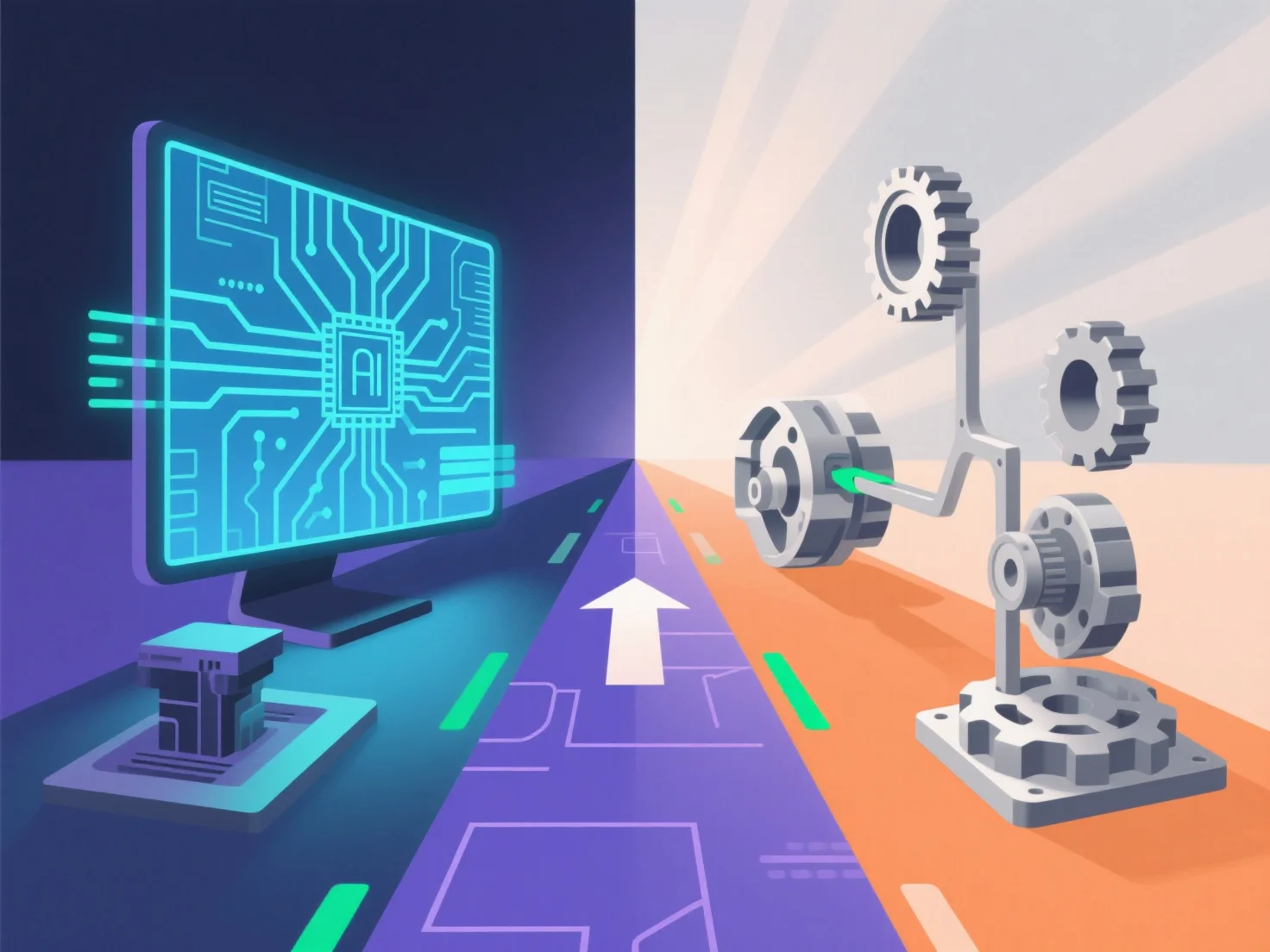
To ensure a solution path works for both digital and physical product prototyping, it integrates cross-compatible 3D modeling tools and iterative validation workflows, bridging digital design and physical production seamlessly.
- **Cross-compatible 3D modeling**: Adopt universal file formats (e.g., STL, STEP) to ensure digital models are compatible with 3D printers, CNC machines, or other physical prototyping tools, avoiding format translation errors. - **Iterative validation**: Start with digital simulations (e.g., stress testing, fit checks) to refine the design, then produce a physical prototype (via 3D printing or machining) to verify alignment between digital specs and real-world performance.
This dual focus on compatibility and validation ensures the solution path reliably supports both digital and physical prototyping needs.