


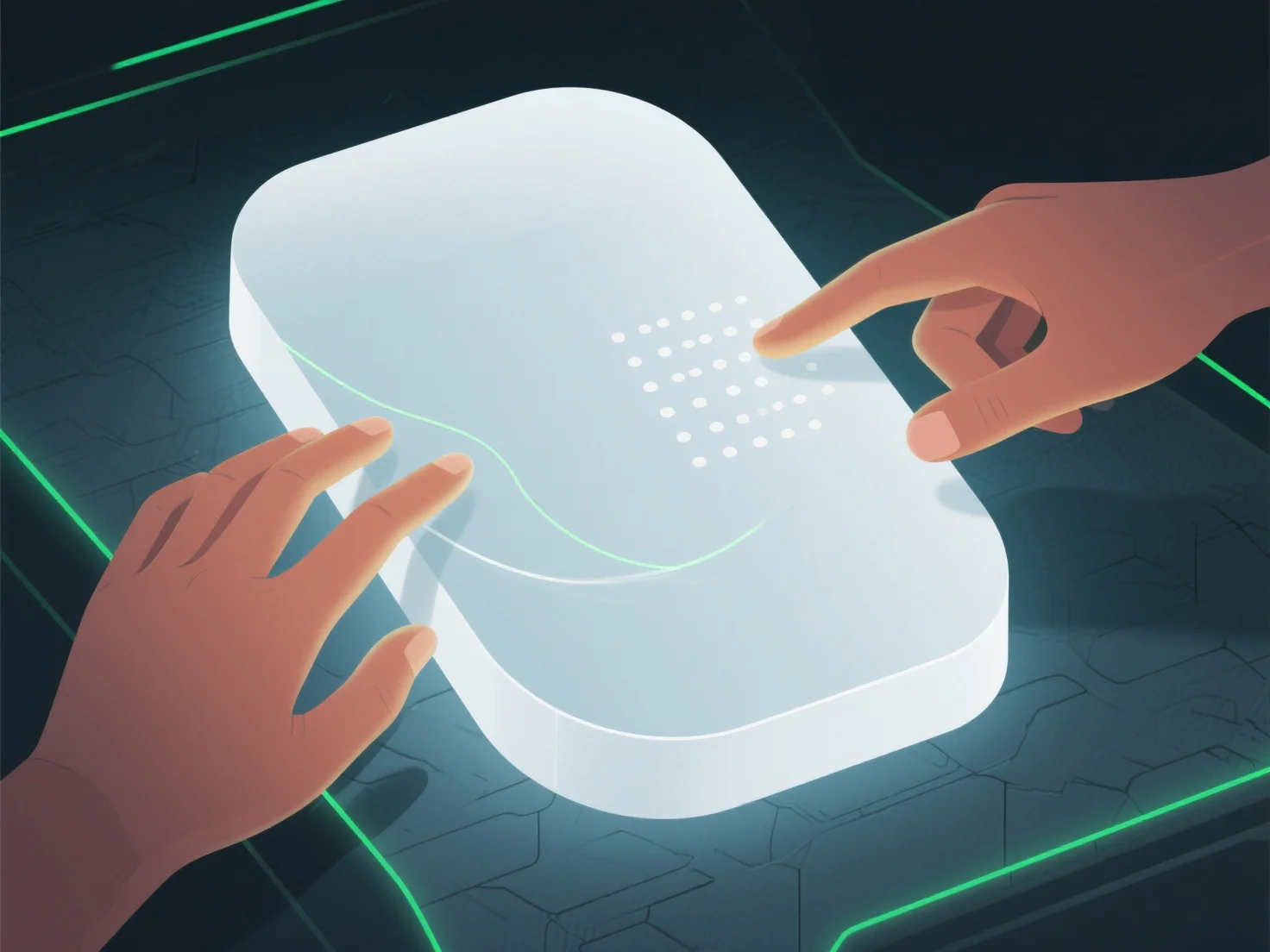
3D modeling helps students with visual impairments learn better by transforming abstract concepts into tactile, interactive objects they can touch and explore, bridging gaps in visual learning.
Tactile interaction replaces visual reliance—students can feel shapes, textures, and dimensions (e.g., a 3D model of a cell or a mountain range), making complex ideas tangible.
It clarifies spatial relationships, such as the structure of a molecule or the layout of a historical site, which 2D images or descriptions often fail to convey accurately.
Encourages hands-on exploration, boosting memory retention and engagement compared to passive listening or reading.
By combining tactile, spatial, and active learning, 3D modeling empowers these students to grasp concepts more deeply and independently.