


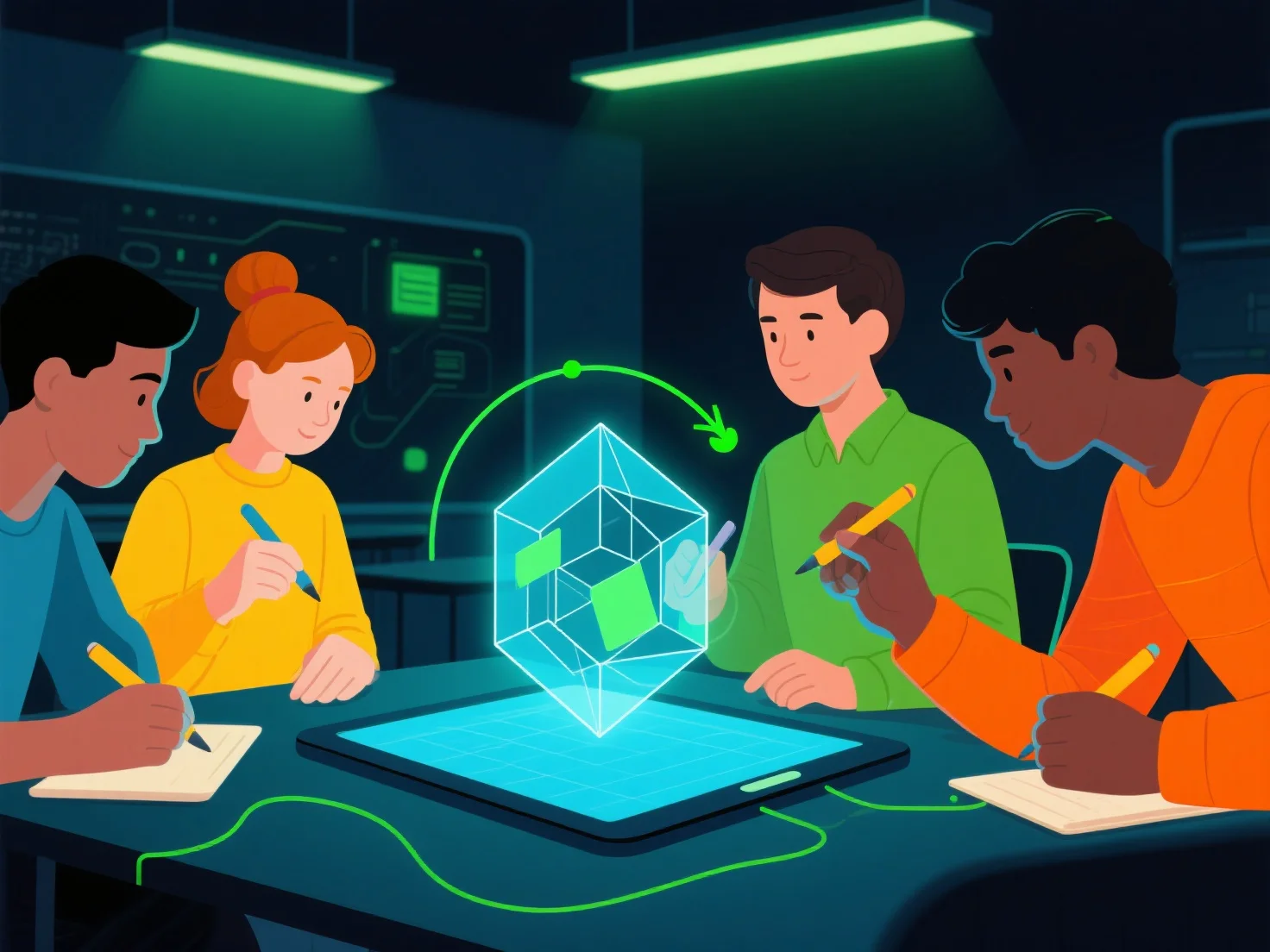
3D modeling in education supports problem-solving skills by requiring students to break down complex tasks into manageable steps, iteratively test solutions, and apply critical thinking to refine outcomes.
Key ways it fosters this include: - STEM Learning: Designing functional models (e.g., bridges, machines) involves solving structural or mechanical challenges, such as ensuring stability or optimizing function. - Collaborative Projects: Group 3D modeling tasks teach resolving conflicting ideas or technical limits through teamwork, enhancing communication and compromise. - Creative Design: Developing 3D characters or spaces requires solving spatial arrangement and resource allocation issues, boosting adaptability.
For new learners, starting with user-friendly tools (e.g., Tinkercad) and small projects (e.g., a pencil holder) builds problem-solving confidence through hands-on practice.