As AI 3D technology advances, more and more users are turning to AI to generate models quickly, and they want to turn those digital creations into physical prints.
But for a 3D print farm, there is one important step between generating a model and printing it: production preparation.
Before printing, the submitted models usually need to be inspected: whether the model's precision meets requirements, whether there are broken faces (mesh holes), whether there are floating/unsupported structures, and whether the details suit the current printing process. If the model quality falls short, manual repair and adjustment are required. For a print farm processing large volumes of orders every day, these extra steps hurt delivery efficiency.
What Is the Biggest Challenge When AI-Generated Models Enter Production?
"Actually, for resin (SLA/LCD) printing, it's a process that suits complex models quite well. If the model itself has no broken faces, its structure is fairly complete, and there aren't too many unreasonable floating parts, it can generally go straight into the printing workflow."
But while AI-generated models greatly cut the time to build from scratch, they still fell somewhat short of real production.
"After AI generated models in the past, we still had to spend time checking. Because some models look great, but once you get to the printing stage, you might find detail issues that need manual handling."
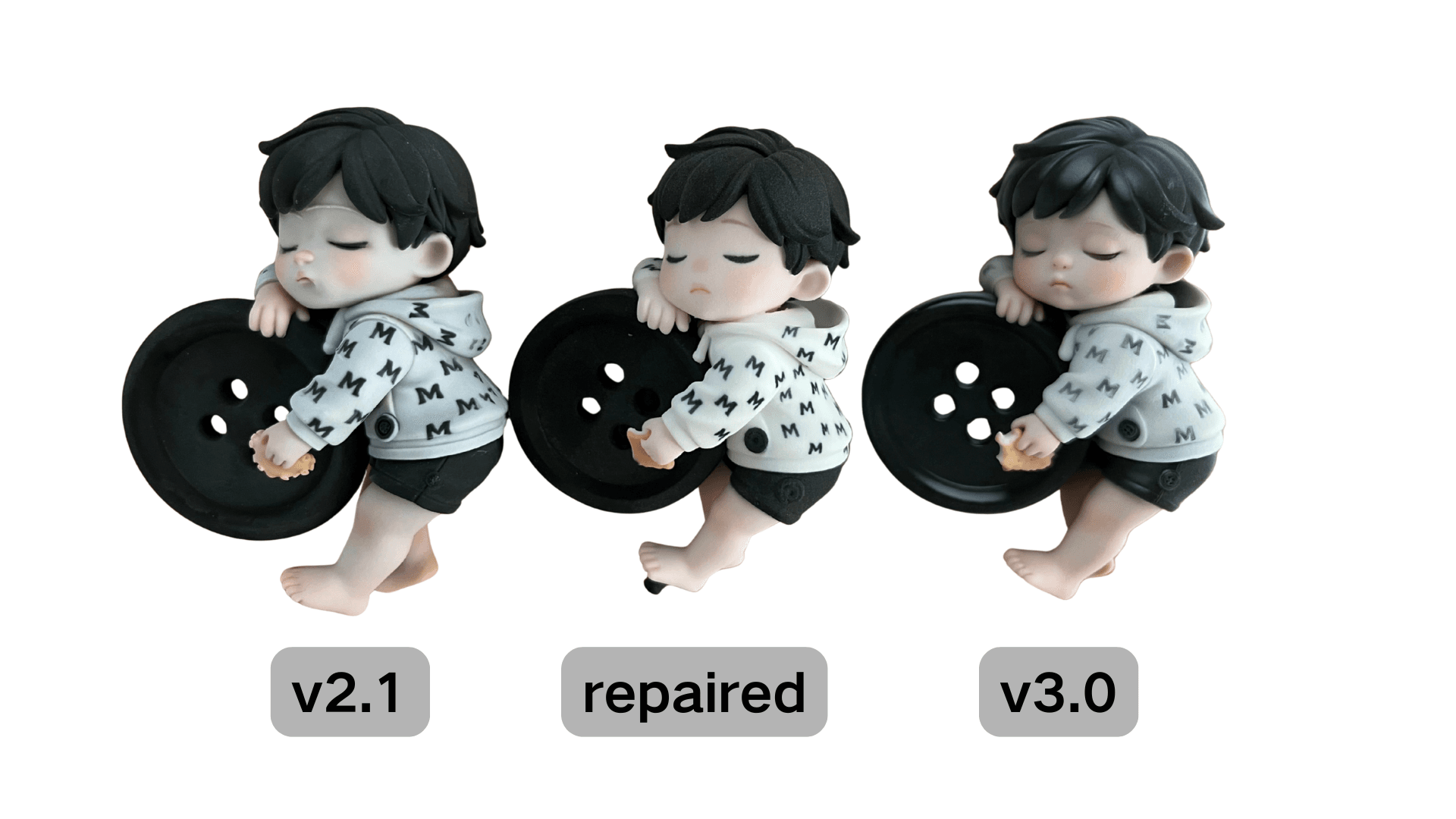
Hi3D 3.0 Brings Model Quality Closer to Production Needs
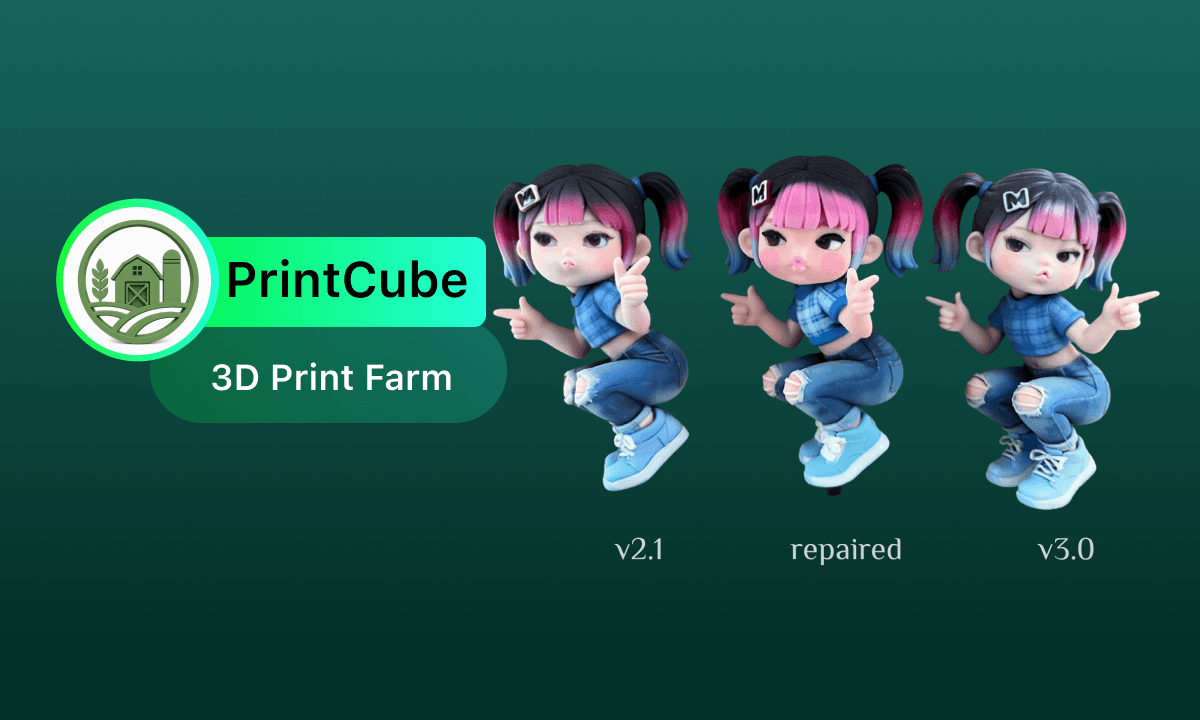
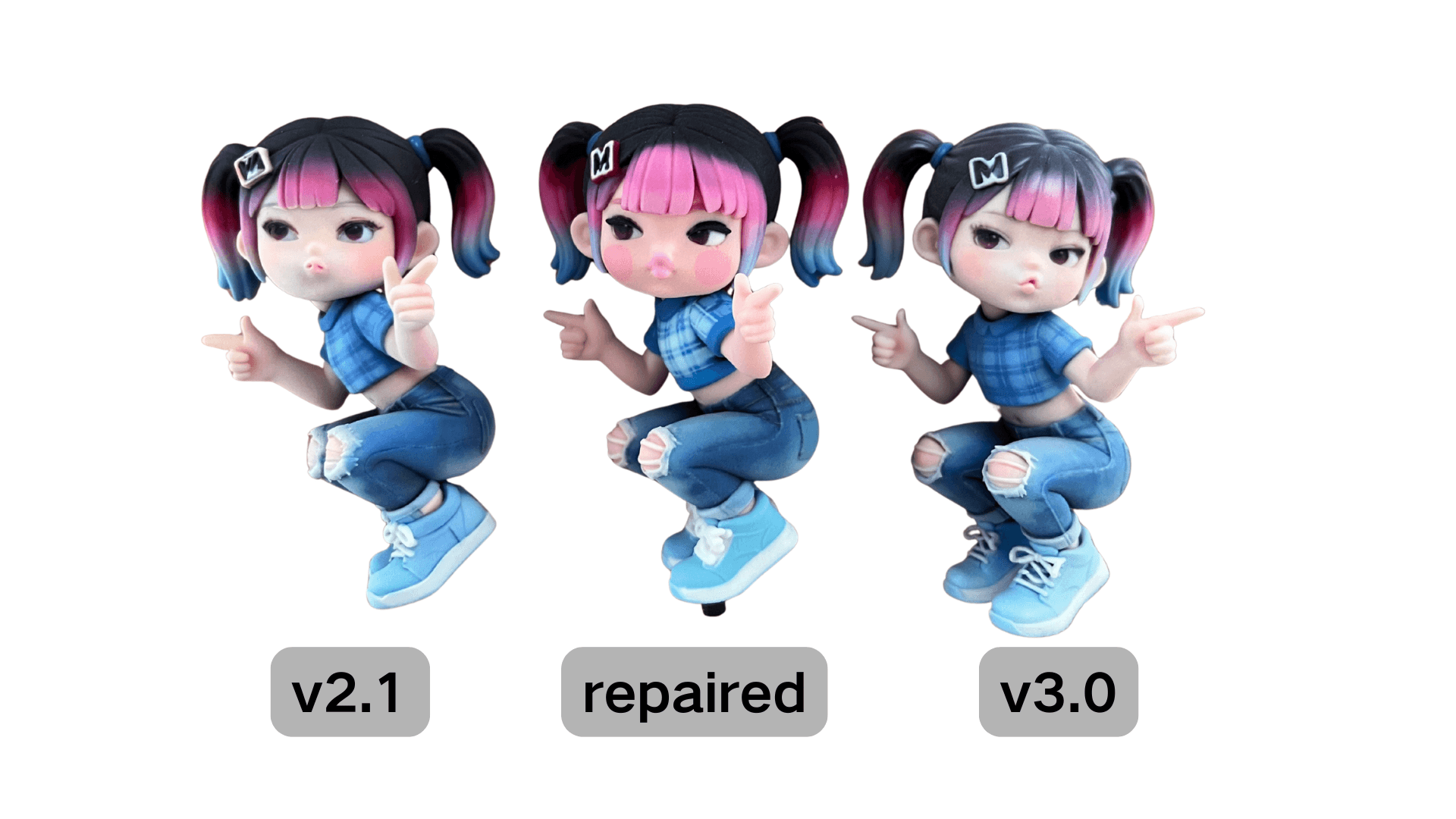
As Hi3D keeps upgrading, version 3.0 further improves model precision and structural integrity. For print farms, the biggest change isn't simply "generating faster" — it's that the generated models come closer to actual production requirements.
A staff member said:
"Compared with previous versions, 3.0's precision improvement is quite noticeable. Especially in some tiny areas, where details used to be insufficient or the structure not stable enough — now it's much better. Broken faces and floating faces have also decreased relatively."
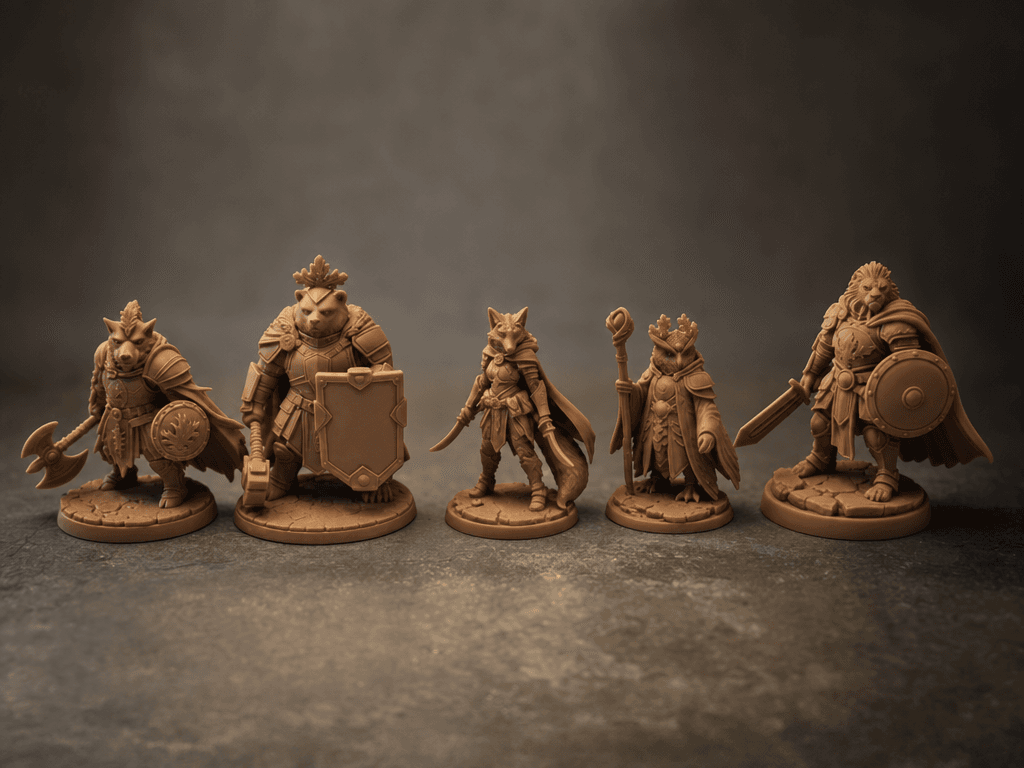
From More Manual Checking to a More Efficient Production Workflow
Fewer model problems mean: less manual checking, less model repair, and a faster path into printing.
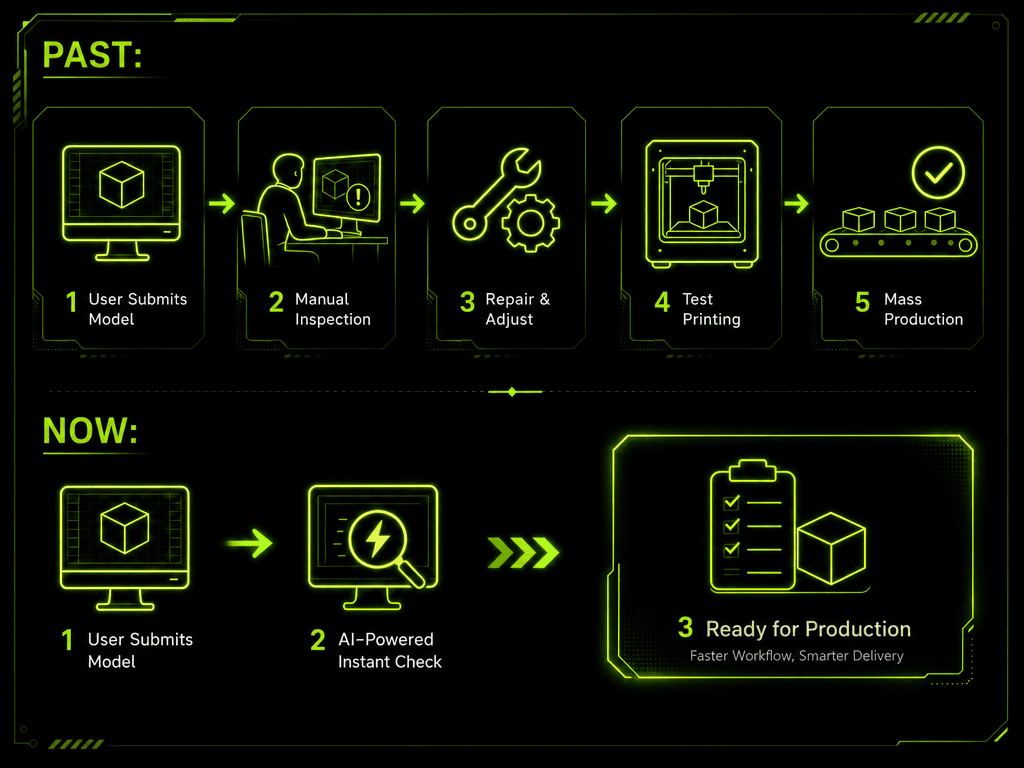
Although different printing materials, equipment, and processes still require targeted adjustments, higher-quality models can reduce upfront processing costs, letting the supply chain handle more orders more efficiently.
High-Precision Models Bring AI One Step Closer to Real Manufacturing
"For ordinary users, they may only care whether the generated model looks good. But for us, we care more about whether this model can smoothly enter production."
What 3.0 improves is not just the model's appearance — it brings the model one step closer to actually being printed.
In the future, the convergence of AI 3D and the 3D printing industry won't just help users quickly get a model. More importantly: it will let digital creativity flow more smoothly into real manufacturing workflows.